
Whoa!
I almost lost a DeFi trade last month because I skimmed past one gas simulation. My instinct said somethin’ was off and I hesitated. Initially I thought it was just a rough estimate, but then I realized the transaction path would route through a low-liquidity pool and could have slipped beyond my slippage tolerance, which would have cost me dearly and required manual recovery steps. That scramble taught me a lot.
Seriously?
Yeah — seriously. I want to share what I learned without sugarcoating the messiness. On one hand transaction simulation sounds like a geeky, optional feature. On the other hand, though actually, it’s often the difference between a quick profitable swap and an expensive on-chain headache that eats your gains and your time.
Here’s the thing.
Simulations are not just “what-if” toys. They approximate the exact state changes a transaction will cause across smart contracts, allowances, token transfers, and routing. That means you can see possible slippage, failed calls, or unexpected approvals before committing. When done right, simulation gives you a granular map of risk and cost — gas, MEV exposure, and subtle re-entrancy-like flows that most UIs hide.
Hmm…
But the reality is messy. Not every wallet or interface simulates the same way. Some rely on node mempool snapshots, others run light dry-runs, and a few incorporate on-chain replay heuristics to estimate MEV. The differences matter because the blockchain is dynamic; mempool state, pending txs, and relayers change in seconds, which means what looked safe five minutes ago may look different now.
I tried a bunch of tools. Some were promising. A couple flat-out lied (ok, not lied but they were useless). My preference now is a wallet workflow that simulates, surfaces clear risk signals, and integrates portfolio tracking so I can weigh a single trade against my whole book.
One clear example: a simulated swap that flagged a hidden approval to a router. At first I shrugged — approvals are normal, right? — but the simulation displayed a cascading approval path that included an intermediate contract. That extra hop raised my risk profile. I canceled the trade and re-routed through a safer pair. Small change, big difference.
So what should you care about?
Short answer: three things — accurate transaction simulation, contextual risk assessment, and portfolio-aware decisioning. Longer answer: those three together change how you interact with DeFi. Alone they’re helpful. Together they shift you from reactive trader to proactive risk manager, which matters more than you’d expect.
Transaction Simulation — What to expect (and what to distrust)
Simulations should show you the exact internal calls, token transfers, and gas estimates. They should also highlight anomalies — approvals to unknown contracts, paths that deviate into low-liquidity pools, or steps that consume unexpected gas. Medium-level detail helps; too much raw JSON will bury the signal though, and that bugs me.
I’ve seen three classes of simulation output. The first is shallow: it gives a single gas number and a success/fail flag. Useless. The second shows internal calls with decoded events and token deltas. Useful. The third overlays external risk signals — things like known exploit contracts, sudden slippage potential, and MEV likelihood. That’s the sweet spot, especially when you’re juggling multiple positions.
On technical nuance: many simulators run eth_call on a node with the proposed transaction appended to the head state; some simulate using a forked block to reproduce mempool ordering scenarios. Those latter tools tend to be more robust but are heavier to run. So if your wallet claims “simulation” but only returns a basic gas estimate, take it with a grain of salt.
My instinct now: treat simulation output like a weather forecast. If it says “clear skies” it’s helpful, but be ready for sudden storms. Also, if a simulator highlights a weird approval path, pause. That signal almost always matters.
Risk Assessment — Context matters
Risk isn’t a single number. It’s a layered thing: contract risk, routing risk, execution risk, and systemic risk across your portfolio. A $500 swap could be risky for an LP-heavy portfolio but negligible for a hot-wallet with $50k in active positions.
When assessing a transaction, I ask three quick questions: What contracts are involved? Who gets approvals? And how does this trade affect my overall exposure? If any answer raises a red flag, I reroute or break the trade into smaller pieces. Simple tactic, but it reduces blast radius.
Initially I thought gas was the main cost to optimize. Actually, wait — slippage and unseen approvals have cost me more. Once I started tracking approval scopes and revoking unnecessary allowances, my accidental drain incidents went down. I’m biased toward conservative scopes now. Also — revoking is tedious with some wallets, so choose tools with one-click management.
Here’s what bugs me about many tools: they surface a warning but then bury the remediation. The UX stops at “warning” and doesn’t let me act immediately — which is when people make mistakes. A good wallet ties simulation to immediate actions: revoke, adjust slippage, or simulate alternate routes. That reduces friction and errors.
Seriously?
Yes. The difference between a wallet that merely reports and a wallet that helps you act is enormous. Real-time simulation plus one-click fixes are underrated.
Portfolio tracking — the often-overlooked lens
Portfolio context changes every decision. A trade that is rational in isolation can be reckless when it doubles down on an already concentrated bet. Your wallet should show you not just the trade P&L, but how the trade shifts concentration, token correlations, and liquidity exposure.
Try this: before any sizeable trade, simulate it and then flip to a portfolio view that shows position-sizing changes and potential liquidation risks if you use leverage. That two-step check has saved me from some bad margin calls and from unintentionally stacking too much on a trending meme token… true story.
I’m not 100% sure every trader needs automated rebalancing. I’m biased against autopilot for big allocations. But I do think every active user should have live exposure visuals, historical P&L attribution, and quick toggles to simulate the portfolio-level impact of a set of trades.
Practical checklist I use before every trade
1) Run a full simulation and inspect internal calls. 2) Check approval scopes and revoke if necessary. 3) Assess slippage across alternate routes. 4) Look at portfolio impact for over-concentration. 5) Consider MEV and mempool volatility in the next 60 seconds. These five steps are short, but they save time and capital.
Oh, and by the way… use a wallet that integrates as many of those steps as possible. That reduces context switching and human error. I use a wallet that brings simulation, risk signals, and portfolio tracking into one flow because it keeps decision friction low.
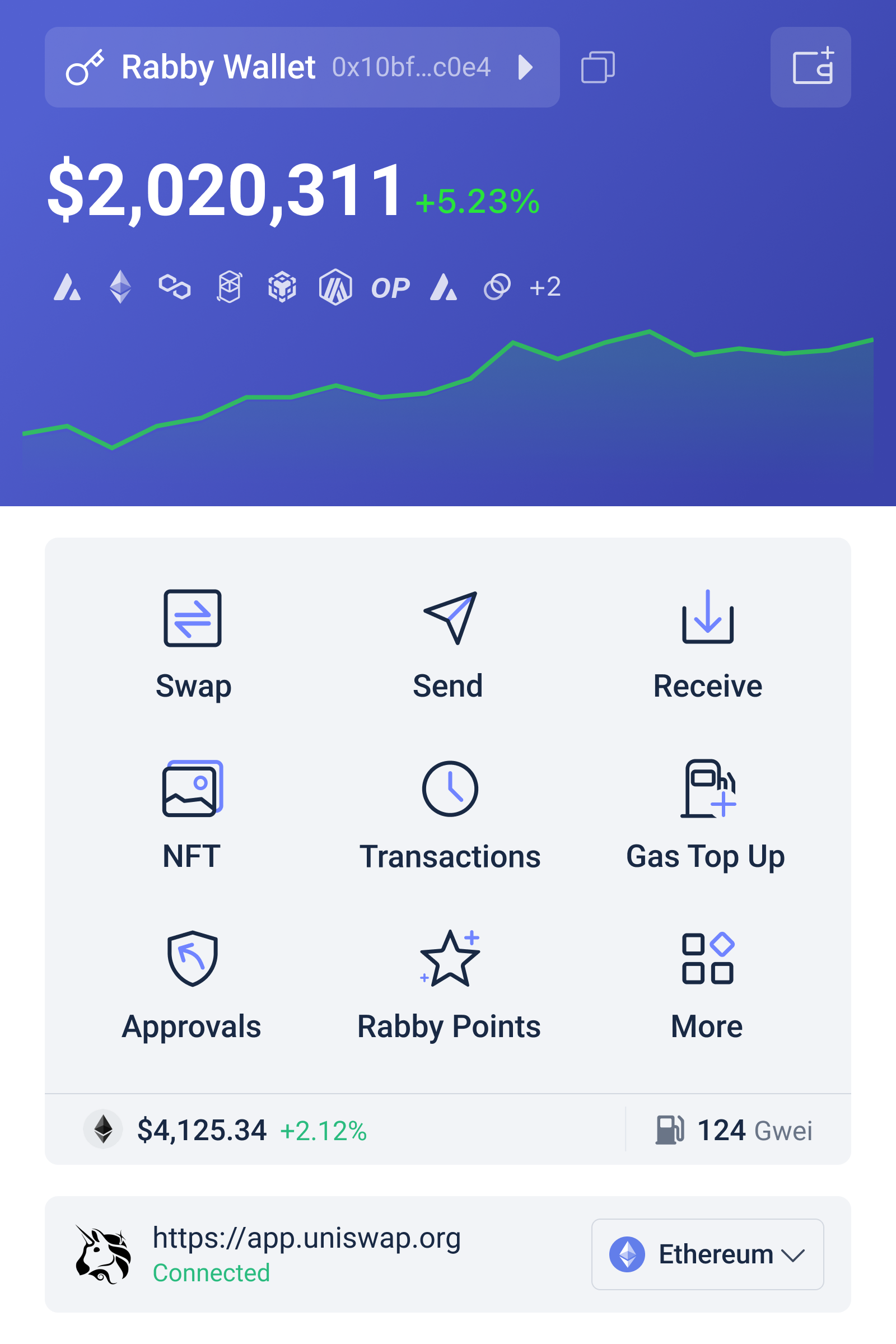
Okay, so check this out — if you want a practical starting point, try a wallet that natively simulates transactions, surfaces decoded calls, and links to portfolio insights; it changed my workflow. One such option to consider is rabby wallet, which bundles simulation and risk prompts into the signing flow and makes revocation and tracking easier.
FAQ
What exactly does “simulation” catch?
Simulations typically decode internal calls, estimate gas, show token transfers, and can flag unusual approvals or slippage through routed swaps. The best ones also estimate MEV risk and highlight external flags like known scam contracts.
Can simulations prevent all bad trades?
No. They greatly reduce many categories of avoidable errors but can’t perfectly predict mempool ordering or sudden oracle manipulation. Treat them as strong signals, not guarantees. Also, timing matters — a simulation snapshot is only as good as the state it used.
How do I choose a wallet that helps, not hurts?
Look for: integrated simulation, decoded call views, one-click approval management, and portfolio overlays. UX that lets you act on warnings is key. If the tool forces you to copy data between multiple apps, it’s adding risk, not reducing it.
Recent Comments